
Is matcha a good choice during perimenopause? Caffeine, sleep, and the best time to drink it
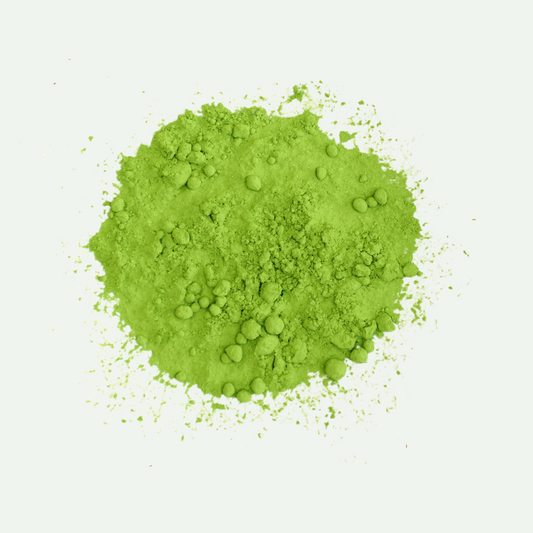
During perimenopause, many women start looking for a drink that gives energy without feeling as harsh on the body as coffee. That is where matcha becomes especially interesting. Matcha is a Japanese green tea powder that contains caffeine, L-theanine, and natural plant compounds linked to alertness and focus.
Matcha is not a treatment for perimenopause, but for some women it can be a better-tolerated source of caffeine than coffee. Especially when the goal is steadier energy earlier in the day.
Why matcha may work well during perimenopause
One of the main reasons is that matcha often feels gentler than coffee. According to Harvard Health, one cup of matcha contains around 38–89 mg of caffeine, while a typical cup of coffee often contains more. That does not make matcha caffeine-free, but it may mean a smoother experience for some people.
Matcha also contains L-theanine, which has been studied together with caffeine in relation to attention and mental performance. This combination may help explain why matcha is often described as providing a “calmer kind of energy.” If coffee tends to cause jitters, a racing heart, or a sharp rise and crash, matcha may feel like a better fit.
This can matter during perimenopause, when many women are no longer looking for a strong energy boost, but for something that feels steadier and more balanced throughout the day.
What about sleep and caffeine?
Timing matters. Even if matcha feels milder than coffee, it still contains caffeine. If sleep is already more fragile during perimenopause, even smaller amounts of caffeine may feel stronger, especially later in the day.
The National Heart, Lung, and Blood Institute notes that caffeine can affect the body for hours, and both ACOG and the NHS recommend reducing caffeine later in the day when sleep is a concern. So the question is not only whether matcha fits, but also when to drink it.
For most people, matcha works best as a morning or early afternoon drink, not as a late afternoon or evening ritual.
What is the best time to drink matcha?
If you want the benefits of matcha without disturbing sleep, it is usually best to enjoy it:
- in the morning
- in the late morning
- in the early afternoon
If you tend to wake during the night, experience hot flashes, or struggle to fall asleep, it is usually better to keep matcha to the first half of the day. A useful rule of thumb is to avoid caffeine about 8 hours before bedtime.
That makes matcha a good option:
- instead of your morning coffee
- as a focus drink during the first half of the workday
- as part of a calmer daytime ritual
Who may benefit most from matcha?
Matcha may be a good fit for women who:
- want to reduce coffee but do not want to give up caffeine completely
- are looking for a calmer, more even kind of energy
- value quality, taste, and a mindful ritual
- prefer caffeine earlier in the day
It tends to work best when caffeine is reasonably well tolerated and when matcha is not consumed too late.
Who should be more careful with matcha?
If caffeine tends to cause anxiety, heart palpitations, shakiness, or sleep problems, matcha may still feel too stimulating, even if it feels gentler than coffee. The same applies if hot drinks or caffeine seem to trigger hot flashes.
In that case, the issue may not be the quality of the matcha itself, but simply that your body needs less caffeine or earlier timing.
Conclusion
Yes, matcha can be a good choice during perimenopause. Its advantage may lie in its more moderate caffeine content and in the combination of caffeine and L-theanine, which is often associated with calmer alertness. But if sleep is sensitive or hot flashes are easily triggered, timing matters a great deal.
It is best to think of matcha as a daytime energy drink, not an evening wind-down drink. Used that way, it can become a pleasant and balanced part of the morning or the first half of the day.
Sources
- Harvard Health Publishing. Matcha: A look at possible health benefits.
- NHS. Menopause; Things you can do.
- American College of Obstetricians and Gynecologists. An Ob-Gyn’s Top Tips for Managing Hot Flashes.
- National Heart, Lung, and Blood Institute. Healthy Sleep Habits.
- Owen GN et al. The combined effects of L-theanine and caffeine on cognitive performance and mood. Nutritional Neuroscience, 2008.
- Baba Y et al. Matcha consumption promotes maintained attentional function following mild acute psychological stress. Nutrition Research, 2021.